
Growing leafy greens indoors is a rewarding and practical way to enjoy fresh, nutrient-rich vegetables year-round. Whether you live in an apartment or a house without a garden, indoor gardening allows you to control the environment, maximize growth, and reduce exposure to pests and weather challenges.
Benefits of Growing Leafy Greens Indoors
Indoor gardening provides fresh produce at your fingertips, saves money on groceries, and promotes healthier eating habits. Growing your own greens ensures they are free from harmful chemicals and picked at peak freshness. Indoor gardening also allows continuous harvests throughout the year, unlike seasonal outdoor growing.
Selecting the Right Leafy Greens
Some leafy greens perform better indoors than others. Fast-growing and compact plants like spinach, lettuce, arugula, kale, and Swiss chard are ideal. Choose varieties that are tolerant to lower light levels and cooler temperatures, which are common in indoor environments. These greens will thrive in containers and provide a continuous supply of fresh leaves.
Choosing Containers
Use containers with adequate drainage to prevent root rot. Shallow, wide pots allow roots to spread properly, while deep pots support larger plants. Options include plastic or ceramic pots, window boxes, and hydroponic trays. Ensure that each container has a removable saucer to catch excess water and maintain cleanliness.
Soil and Growing Medium
A well-draining, nutrient-rich potting mix is essential. Incorporate organic compost or worm castings to provide natural nutrients. For soil-less methods, coconut coir, perlite, or rock wool can be used. Avoid heavy soils that compact easily. Mixing in perlite or vermiculite helps improve aeration and water retention.

Providing Adequate Light
Leafy greens need 12–16 hours of light daily. Place containers near south- or west-facing windows, or use artificial grow lights if natural light is insufficient. Rotate plants regularly to ensure even light exposure and prevent leggy growth. Reflective surfaces can amplify light for better leaf development.

Watering and Humidity
Keep soil evenly moist, but avoid waterlogging. Overwatering leads to root problems, while underwatering causes wilting. Indoor air can be dry, so maintain moderate humidity with trays of water, misting, or a humidifier. Grouping plants together can also help increase localized humidity.
Temperature Requirements
Maintain temperatures between 60°F and 75°F (15°C–24°C). Extreme heat can make leaves bitter, while cold slows growth. Avoid placing plants near heaters, air conditioners, or drafty areas. Stable temperatures promote steady growth and prevent stress-related bolting.
Fertilizing Leafy Greens
Feed plants regularly using balanced, water-soluble fertilizers or organic alternatives such as compost tea. Fertilize every 2–3 weeks to ensure lush leaf development. Avoid over-fertilizing, which can harm roots and reduce quality. Nutrient-rich soil can reduce the need for frequent supplementation.
Planting and Spacing
Follow recommended spacing for each variety. Crowding plants reduces airflow, slows growth, and increases disease risk. Thin seedlings when necessary and ensure cut-and-come-again harvesting methods are practiced for continuous leaf production.
Pest Management Indoors
Indoor gardens are less prone to pests, but issues like aphids, spider mites, or fungus gnats may occur. Use organic control methods such as neem oil, insecticidal soap, or beneficial insects. Keep the area clean and inspect plants regularly to catch infestations early.
Harvesting Leafy Greens
Harvest outer leaves first and leave the inner growth to continue producing. Harvest in the morning when flavors are most concentrated. Regular harvesting stimulates growth and prevents premature bolting.
Troubleshooting Common Problems
Yellowing leaves can indicate overwatering or nutrient deficiencies. Leggy plants may need more light. Bitter leaves often result from bolting due to heat or stress. Monitor plants carefully and adjust care as needed.
Advanced Indoor Growing Techniques
Hydroponics and aeroponics allow faster growth by supplying nutrients directly to the roots. Vertical gardens and tiered shelving maximize space. Smart sensors and LED light spectrum management help optimize conditions. Companion planting can naturally deter pests.
Environmental Optimization
Ensure good airflow to prevent mold and fungal growth. Keep plants away from stagnant areas. Use reflective surfaces and gentle fans to distribute light and air evenly.
Nutrient Management
Adjust fertilizer concentration according to plant growth stages. Young plants need higher nitrogen for leaves; mature plants require balanced nutrients. Monitor pH levels, especially in hydroponic setups, to maintain nutrient uptake efficiency.
Continuous Harvesting and Succession Planting
Sow seeds every 2–3 weeks to maintain a continuous supply. Cut-and-come-again harvesting prolongs production and ensures a steady yield. This approach maximizes the output of indoor spaces.
Indoor Garden Design and Layout
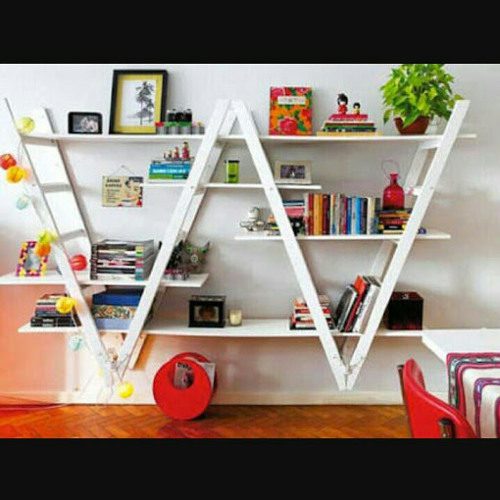
Arrange plants by light requirements. Place taller plants behind shorter ones. Use vertical spaces with shelves or hanging planters. Group plants with similar watering needs to simplify care routines and maintain efficiency.
Conclusion
Growing leafy greens indoors is a sustainable and practical way to enjoy fresh vegetables year-round. With proper planning, selection, lighting, watering, fertilization, and environmental management, anyone can cultivate a thriving indoor garden. Regular care, strategic planting, and continuous harvesting will provide a consistent supply of nutritious and flavorful greens, turning any indoor space into a productive and healthy oasis.